

The mythology of Mobb Deep begins far from the Queensbridge housing projects that would later become synonymous with their name. Havoc and Prodigy actually crossed paths in Manhattan at the prestigious High School of Art and Design. Two teenagers who bonded over a mutual obsession with the mechanics of hip-hop rather than formal academics. Originally calling themselves the Poetical Prophets, their early demos landed them in The Source's legendary "Unsigned Hype" column in 1991.
They secured a deal with 4th & B'way Records and dropped their debut, Juvenile Hell, in 1993. Though it showcased their undeniable raw talent, it didn't quite meet the label's commercial expectations. The project was still searching for its definitive sonic identity, caught somewhere between the lingering remnants of the Afrocentric era and the rising tide of hardcore rap. Following its release, they parted ways with 4th & B'way. For most teenage artists, that is the end of the story. For Havoc and Prodigy, it was the exact moment they realized they had to strip everything down and rebuild it in their own image.
Retreating to Havoc's apartment in Queensbridge, Prodigy purchased an EPS-16 Plus sampler (before upgrading to the iconic Akai MPC) and they locked the door. They stopped trying to sound like everyone else and started scoring the reality of what was happening outside their window.
The Drums and The Pen
The Mobb Deep formula is one of hip-hop's most perfect dichotomies. Havoc revolutionized East Coast production by doing the opposite of what the rising tide of commercial, R&B-infused rap demanded. He slowed the BPMs down. He dug for obscure, eerie jazz and cinematic samples, filtering the basslines until they sounded submerged in concrete. But his true genius was the drum programming. Havoc's snares cracked like a whip in an empty hallway—crisp, unforgiving, and distinctly Queensbridge.
Over this bleak canvas stepped Prodigy (Bandana P). Born with sickle cell anemia, P lived with the constant, looming specter of mortality. That physical reality bled into his pen. While other rappers shouted, Prodigy spoke in a methodical, cold-blooded monotone. His verses weren't just hardcore; they were hyper-real, philosophical, and laced with a chilling nihilism. He didn't rap about violence to be glorified; he reported it as a matter of survival.
Together, they didn't just make songs. They created immersive, atmospheric horror films for the mind. You didn't just listen to a Mobb Deep record; you felt the winter wind whipping off the East River.
Signed to Loud Records by Steve Rifkind, they began work on what would become their magnum opus. Loud connected them with A Tribe Called Quest's Q-Tip (credited as The Abstract). Tip didn't try to soften their sound; instead, he acted as a mentor to Havoc, helping him refine his drum programming, tighten the sample chops, and master the art of the low-end frequency.
There's a war going on outside no man is safe from / You could run, but you can't hide forever.
— Prodigy, "Survival of the Fittest" (1995)The result was The Infamous (April 1995). It arrived like a seismic event. Tracks like "Shook Ones Pt. II" and "Survival of the Fittest" became instant, undeniable street anthems. The album originally captured a near-perfect 4.5-Mic rating from The Source (retroactively upgraded to 5 Mics). It was the exact counterweight the East Coast needed to balance the dominance of Death Row on the West Coast. New York hip-hop had found its darkest, most potent pulse.
The false start. Released when they were teenagers on 4th & B'way, the project lacked the sinister focus they would later perfect. But it was the necessary failure that forced Havoc to take full control of the production, leading to their ultimate reinvention.
The masterpiece. Guided by Q-Tip's mixing mentorship, Havoc crafted a soundscape of paranoia and grit. "Shook Ones Pt. II" became arguably the greatest hip-hop beat ever made. Prodigy's opening verse established him as one of the most quotable lyricists in the history of the genre.
How do you follow up a classic? By going even darker. Hell on Earth dropped the jazz samples for tense, cinematic strings and pianos. P's lyricism reached a terrifying peak, diving into conspiracy, Illuminati references, and hyper-violent street narratives. A flawless follow-up execution.
Despite being heavily bootlegged months before its release, Murda Muzik became their biggest commercial success, selling over 1 million copies to reach Platinum status. The addition of "Quiet Storm" (and its remix featuring Lil' Kim) cemented their status as absolute royalty. Havoc's production evolved without losing its core identity.
In a shock to hip-hop purists, 50 Cent signed Mobb Deep to G-Unit Records. While Blood Money polarized day-one fans due to its polished, commercial sheen, it secured their financial legacy and proved their influence on the generation that followed them. 50 Cent revered them, and the deal reflected that.
Q-Tip (The Abstract)
The unseen hand on The Infamous. Tip helped mix the album, produced "Give Up the Goods" and "Temperature's Rising," and taught Havoc how to properly compress his kicks and bass to punch through the speakers. A crucial turning point in Mobb history.
Nas
The QB bond was unbreakable. From "Eye for a Eye (Your Beef is Mines)" to "It's Mine," the synergy between Esco's poetic mafioso rap and the Mobb's trench-level grit created some of the most important collaborations of the 90s.
The Alchemist
When Havoc needed to step back from the boards to focus on rhymes, Alchemist stepped in. ALC's dusty, sample-heavy style was a spiritual continuation of Havoc's early work, leading to classic Mobb tracks and entire Prodigy solo albums (Return of the Mac, Albert Einstein).
Big Noyd
You cannot tell the Mobb Deep story without Big Noyd. His chaotic, high-energy delivery on "Give Up The Goods (Just Step)" secured his own record deal, and he remained the loyal, relentless third voice on almost every Mobb project that followed.
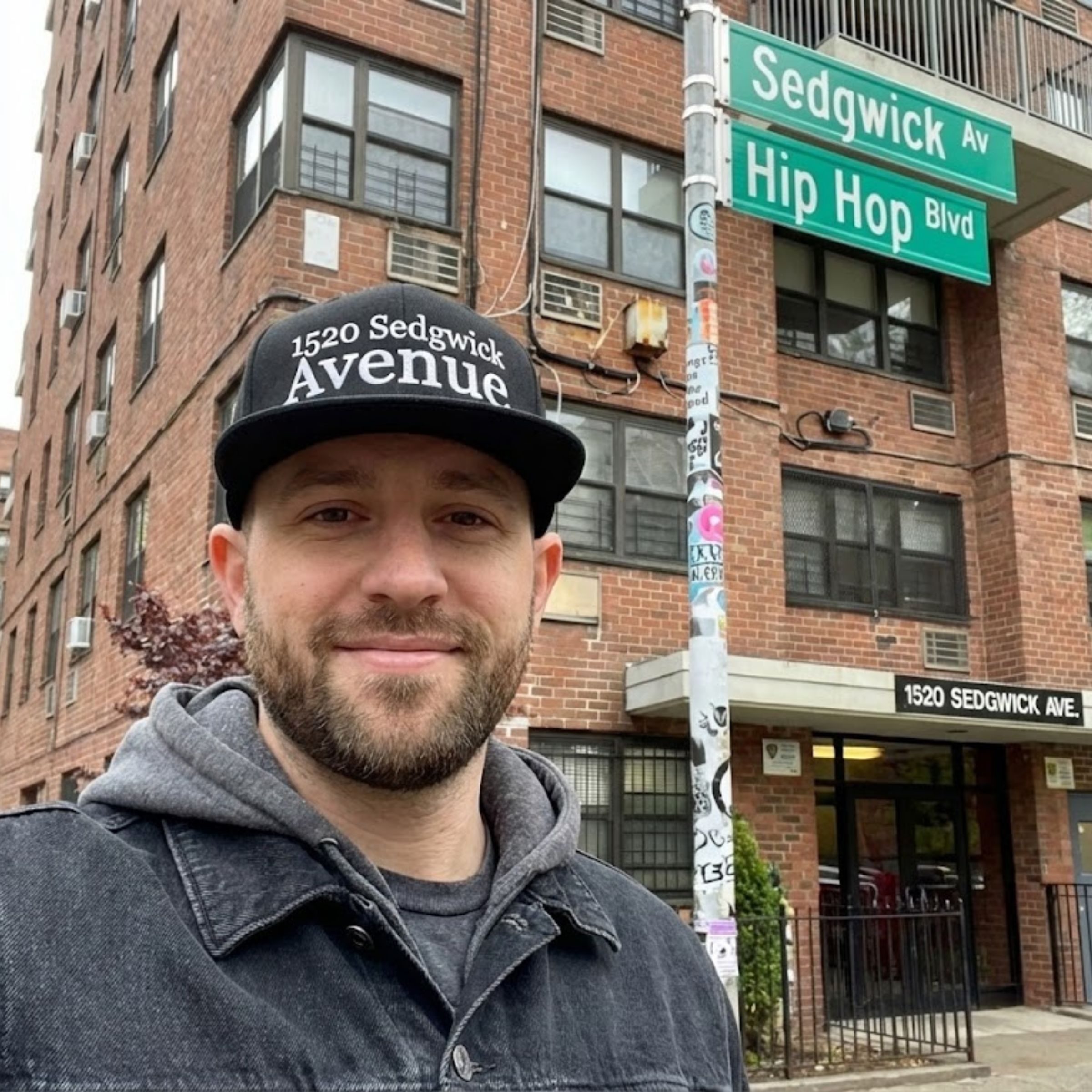
They put their specific block of the nation's largest housing project on the global map, turning QB into holy ground for hip-hop purists.
Consistently ranked among the top 3 greatest hip-hop beats ever created. A masterclass in tension, utilizing a pitched-down Herbie Hancock sample and a siren that induces instant nostalgia.
Even after the album was heavily bootlegged on the streets for months, it sold over 1 million copies (certified Platinum), proving the absolute loyalty of the Mobb Deep fanbase.
On June 20, 2017, the culture lost Prodigy due to complications from his lifelong battle with sickle cell anemia. It was a devastating blow that fractured the physical existence of the group, but it cemented the immortality of their art. Bandana P left behind a blueprint for how to write about trauma and survival without ever asking for pity. He was, and remains, one of the most influential writers in hip-hop history.
Havoc remains a pillar of the culture, carrying the Mobb Deep flag while continuing his legendary production run for artists across generations (including Kanye West's The Life of Pablo and Method Man). He is the architect who built the walls of Queensbridge into the speakers of the world.
They didn't just make rap music. They made survival manuals encoded in drum breaks. Havoc and Prodigy are forever the Infamous. Rest in Power to Bandana P.

Leave a comment
This site is protected by hCaptcha and the hCaptcha Privacy Policy and Terms of Service apply.