

Hip-hop was born in the Bronx as a voice for the voiceless—a creative survival mechanism for Black and Brown youth navigating systemic neglect. But as the genre became a multi-billion dollar global industry, the architects were pushed out, and the narrative was hijacked by corporate interests that profited heavily off negative stereotypes. Founded in 2013 in Oakland, California by Khafre Jay, Hip Hop For Change was built to take the microphone back.
Operating as a fully realized non-profit organization, HH4C operated on the radical premise that hip-hop is not just entertainment; it is an educational framework, an economic engine, and a tool for social liberation. They realized that you can't just complain about what the radio is playing—you have to actively build the alternative infrastructure.
They started on the streets, running grueling grassroots canvas operations across the Bay Area to raise funds dollar by dollar. They used those funds to throw community block parties, pay local artists a living wage, and, most importantly, build a curriculum to take the authentic culture directly into the school system.
The Four Elements in the Classroom
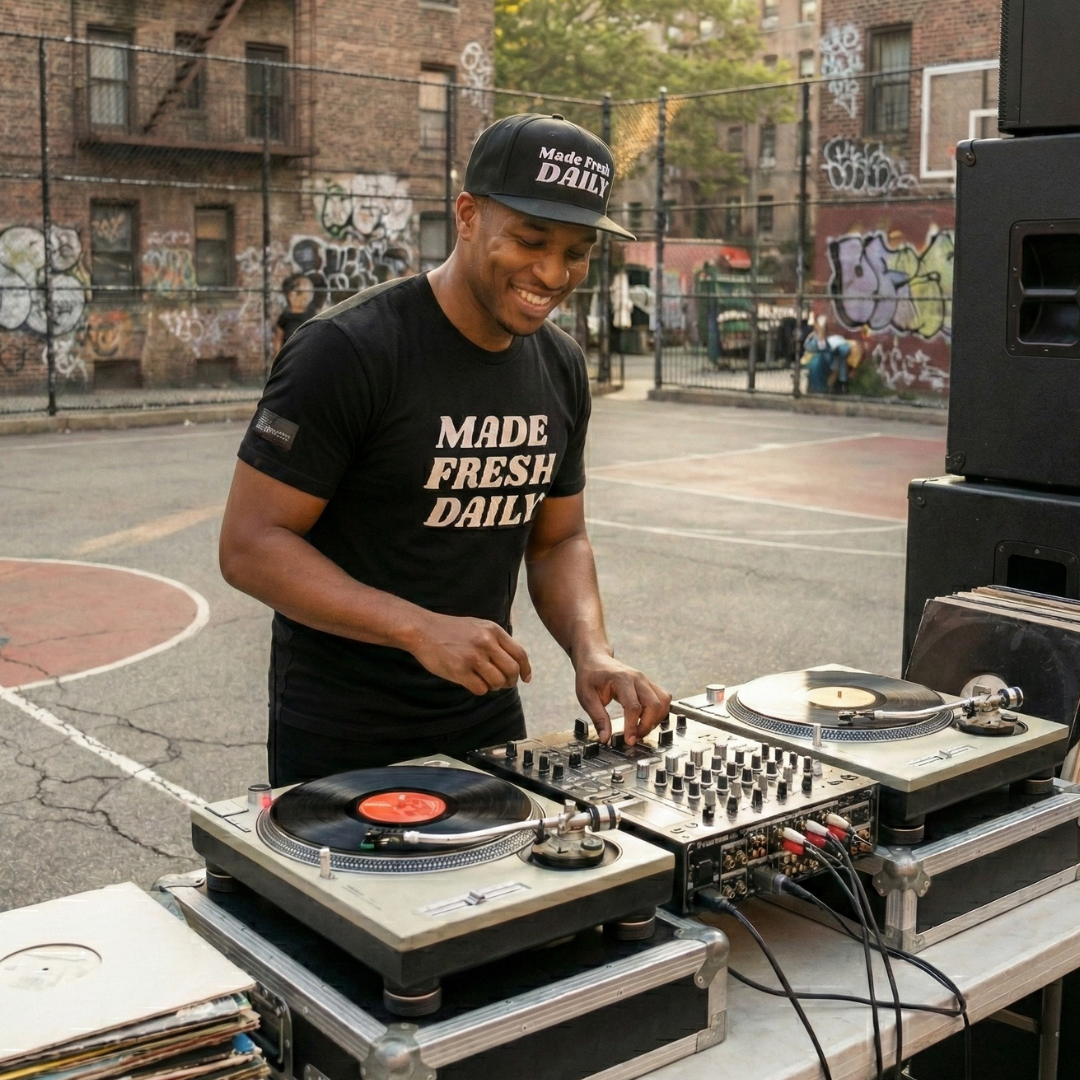
The core of HH4C’s impact lies in their educational programming. They don't just teach kids *about* hip-hop; they teach them *through* it. By bringing the original four elements—MCing, DJing, Breakdancing (B-Boying/B-Girling), and Graffiti Art—into K-12 classrooms, they provide a culturally relevant curriculum that traditional education systems often lack.
When a student learns to write a rap verse, they are learning poetry, vocabulary, and self-advocacy. When they learn the mechanics of DJing, they are learning mathematics, rhythm, and technology. Graffiti becomes a lesson in public art and reclaiming space, while breaking teaches discipline, physical health, and history.
Under the guidance of figures like long-time Education Director Marlon Richardson (Unlearn The World), HH4C stepped in with teaching artists who look like the students, speak their language, and understand their lived reality. They used the culture to heal trauma, build self-esteem, and prove to the youth that their voices possess immense power.
Serving thousands of students across the Bay Area, HH4C brought veteran artists directly into K-12 classrooms. They offered workshops, assemblies, and multi-week residencies that covered the history of hip-hop, the mechanics of the elements, and the importance of social justice, providing a vital creative outlet for youth.
The music industry is notoriously exploitative, especially for independent artists. HH4C combated this by functioning as an economic engine for the local scene. When they threw events, summits, or hired teaching artists, they ensured those creators were paid fairly, keeping the financial ecosystem of Bay Area hip-hop healthy and self-sustaining.
HH4C understood that social justice and climate justice are inextricably linked. Through their Environmental Justice initiatives, they used the platform of hip-hop to educate frontline communities—who are disproportionately affected by pollution and climate change—about sustainability, activism, and defending their local environments.
From massive Women in Hip Hop summits to the historic Hip Hop in the Park at the San Francisco Presidio, HH4C reclaimed public space. They bypassed corporate club promoters to create safe, inclusive, all-ages events where the community could gather and organize for change without the interference of corporate sponsors dictating the message.
The work Hip Hop For Change did exposes a fundamental truth: hip-hop is not a genre of music. It is a culture, a lifestyle, and an immune system for oppressed communities. When the school system failed to provide adequate arts funding, HH4C filled the gap. When the radio pushed negativity, HH4C handed a microphone to a local MC speaking truth to power.
They don't just teach kids how to rhyme or paint. They teach them how to survive, how to think critically, and how to govern their own culture.
✦ Honor The CultureOperating a non-profit in one of the most expensive regions in the world is an uphill battle. After an incredible 10-year run of hitting the pavement every day, HH4C made the difficult decision to sunset its primary operations in late 2023 due to post-pandemic funding shifts. But the investment they made in the youth and the local artist ecosystem permanently altered the Bay Area.
Bay Area Schools
Partnering with school districts across Oakland, San Francisco, and the wider Bay Area to bring culturally competent, trauma-informed arts education directly to the youth who need it most.
Local Legends
Over the years, HH4C shared the stage and partnered with Bay Area royalty—from Zion I to Mistah F.A.B.—bridging the gap between established cultural icons and the next generation of artists.
Environmental Orgs
Merging hip-hop with climate activism, they worked alongside grassroots environmental organizations to ensure Black and Brown communities have a loud, undeniable voice in the fight for environmental justice.
Teaching Artists
The backbone of the organization. Graffiti writers, B-Boys, B-Girls, DJs, and MCs who transitioned their street-level mastery into pedagogical excellence, becoming mentors for thousands of kids.
Operating entirely outside the corporate music machine to ensure that the culture is used for education and liberation, not exploitation.
Through school residencies, assemblies, and community events, HH4C has reached tens of thousands of youth with authentic hip-hop education.
Every dollar raised through their grassroots canvassing and donations goes directly back into paying local artists, funding school programs, and organizing the community.
Hip Hop For Change proved that the culture does not need to be saved by the music industry; it needs to be protected from it. By establishing a formalized, 501(c)(3) framework, they created a blueprint for how to keep the true essence of hip-hop alive and self-sustaining.
They are the physical manifestation of "Knowledge of Self"—the unofficial fifth element of hip-hop. Every time a teaching artist stepped into a classroom, or an independent MC got paid fairly for a set, HH4C struck a blow against the corporatization of Black and Brown art. They did the necessary, grueling, unglamorous work of making sure hip-hop belongs to the people who actually live it.
They aren’t just a non-profit; they are a movement. Hip Hop For Change took the culture out of the boardroom, put it back in the classroom, and left behind a 10-year blueprint that will inspire the Bay Area for generations.












Leave a comment
This site is protected by hCaptcha and the hCaptcha Privacy Policy and Terms of Service apply.